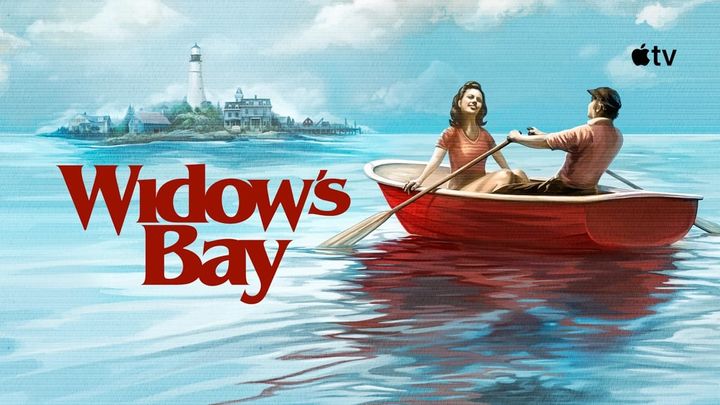
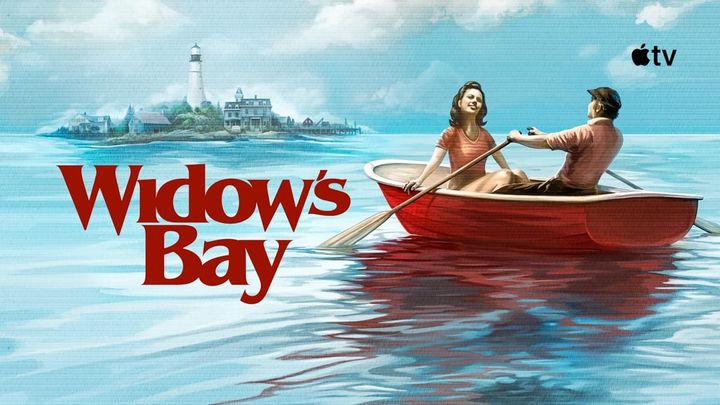
Widow's Bay: The Little Horror Show That Could
Widow's Bay is having a moment. When it first came out, I watched the first episode while quite high on pain killers after a surgery. A few days later, I watched it again, remembering I'd found it surprising and hilarious. I wondered if it would hold up upon a sober viewing.
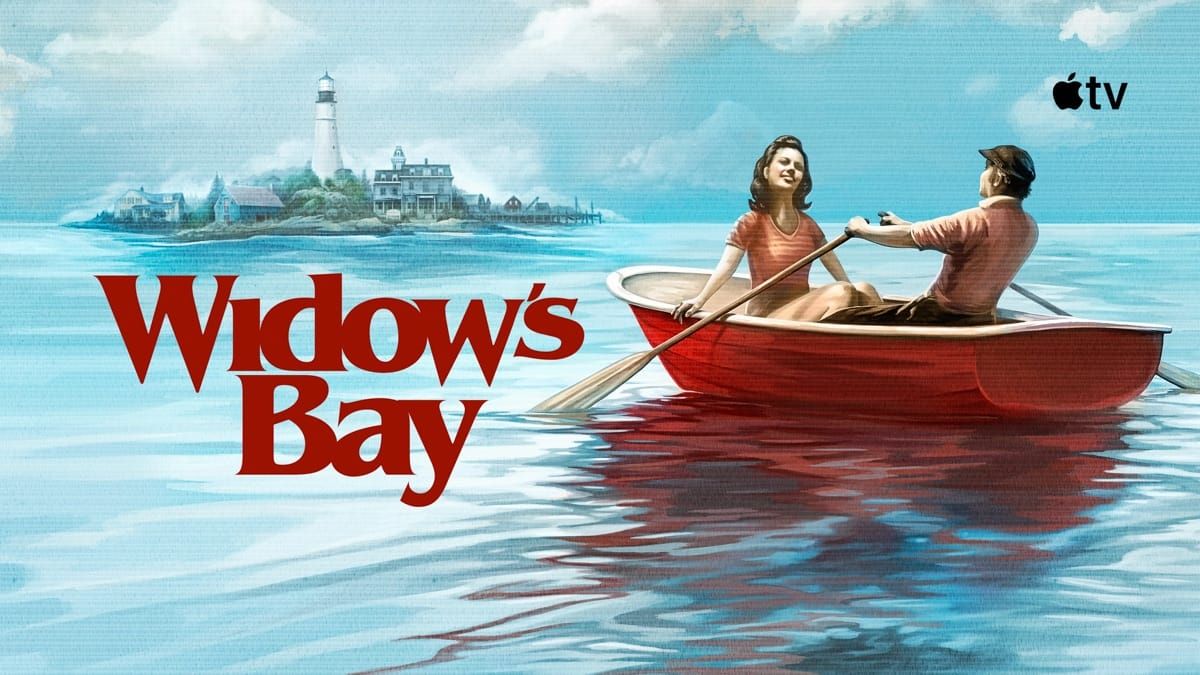
Widow's Bay is having a moment. When it first came out, I watched the first episode while quite high on pain killers after a surgery. A few days later, I watched it again, remembering I'd found it surprising and hilarious. I wondered if it would hold up upon a sober viewing.
The first episode has a typical horror opening, a long panning shot over a large body of water and an old hardened man complaining about women then facing off against an ominous unknown amidst a flock of screaming gulls taking flight. This is immediately followed by an earthquake. As the apparent town crank later declares, the island is waking up after a long dormancy.
Even during these establishing scenes, the series doesn't feel like conventional horror when I watch it, it feels like a prestige drama. It's well shot and well cast, with Matthew Rhys as Tom Loftis, the town mayor hustling to line up a New York Times article he hopes will help position the sleepy New England destination as the next Bar Harbor. He's a struggling single father who can't keep his kid, the townspeople, or his city employees in line. There is a rounded out cast of diverse characters, townies and tourists, who all have different relationships with Widow's Bay and identities that create a complex social tapestry even a few episodes in.
As the first episode finds its footing, it subverts expectations, as much as Dale and Tucker vs. Evil did sixteen years ago: Widow's Bay is a horror comedy so subtle and well-crafted it sneaks up on you even as it's traveling the same well-trod paths other writers, directors, and casts have explored extensively for decades. That comedy breaks through in facial expressions, world building, the physical setting of the town, and even the props.
I was surprised to discover Matthew Rhys is a wonder at physical comedy. An example: his body language as he absolutely shrieks with excitement when he's told that Widow's Bay could be the next Martha's Vineyard. Every joke is lined up with this kind of precision but without the usual cues to prompt the audience to laugh. The mayor's teenage son getting caught smoking behind the house and asking his father what the joint he's smoking is with an infuriatingly neutral face. The monster of the week being vaulted across the room by the pull of a recliner lever. Because this is all shot like a prestige drama, every character is simultaneously a comedian and straight man, masterfully written and brought to life.
Widow's Bay is not a true break from the sequels and reboots we're inundated with in modern TV and film. The writers of the show have thrown many of the best horror and comedy shows into a blender until only glimpses of the source remain, like when the New York Times journalist walks through the local historical society and the community's legacy of horrors are described in a nonchalant yet educational tone reminiscent of Leslie Knope detailing the murals in City Hall in Parks and Recreation, all while the mayor squirms and tries to redirect the conversation. Another scene familiar to Parks and Rec viewers comes in a later episode when the mayor has to sit through a community forum with local residents directing their ire his way.
Still, the show feels new. This is in part because it doesn't talk down to or spoon feed the viewer. It is not a show that should be multi-tasked through. It's not slow-paced or boring, but it is slow in the sense that you have to slow down and pay attention to really enjoy it. Multiple viewings uncover new details. Article headlines, background art, an answering machine message all to add a new layer to your understanding of the town and its story. And it's all in service to classics that have gone before it.
Are you a Jaws fan? The mayor's yearly swim is a small-scale nod that sets up a perfect, embarrassing joke at the mayor's expense. Love final girls? They're here, and with an episode that twists up the social dynamics of the old mean girls trope. Do you want to see teens grappling with the horrors of small town living, bad influence friends, and young love? Looking for an introverted middle aged woman navigating single life in a dating pool that's more of a fish bowl? The struggle of trying to pass on elder wisdom in a modern, fast-paced world? Each episode brings in more insight and focus on the stories of the supporting cast, even as Tom acts as the through-line.
Perhaps the most refreshing aspect of the series is that the writers understand the intricacies of small town living. How people will live in the same town for decades building up friendships and resentments and then pass on those ties to their children. They manage not to punch down or cast the town's residents in a poor light. Often Tom, the mayor, helps the biases that could make the show fall flat bubble up to the surface through his own bigotries and bad decisions and is made to work through them. He is a privileged rich white guy who thinks he's too good for his place in the world, and yet so far he is becoming a model of what happens when that guy stops barking orders, starts listening, and starts doing the work.
And this is what draws me in again and again. In a world where Game of Thrones became a cultural touchpoint and so many of our stories have become nihilistic downers, this little show is hopeful even as it becomes apparent that Widow's Bay wants to do very bad things to the characters that are becoming our heroes. In the face of events he can't control, our self-absorbed hustler of a mayor is assembling his team of town misfits to take this problem head on in hopes the island will become a welcoming place we all want to visit, or at least won't eat the tourists.