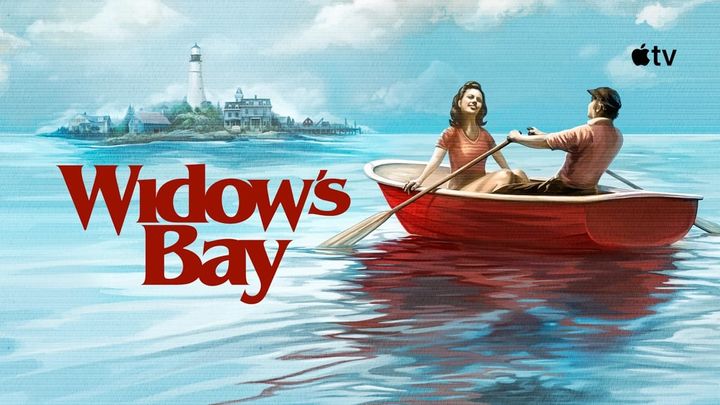
Tom Loftis: The Worst Guy We Still Want to Watch
Widow's Bay is a masterclass in writing unlikable characters.
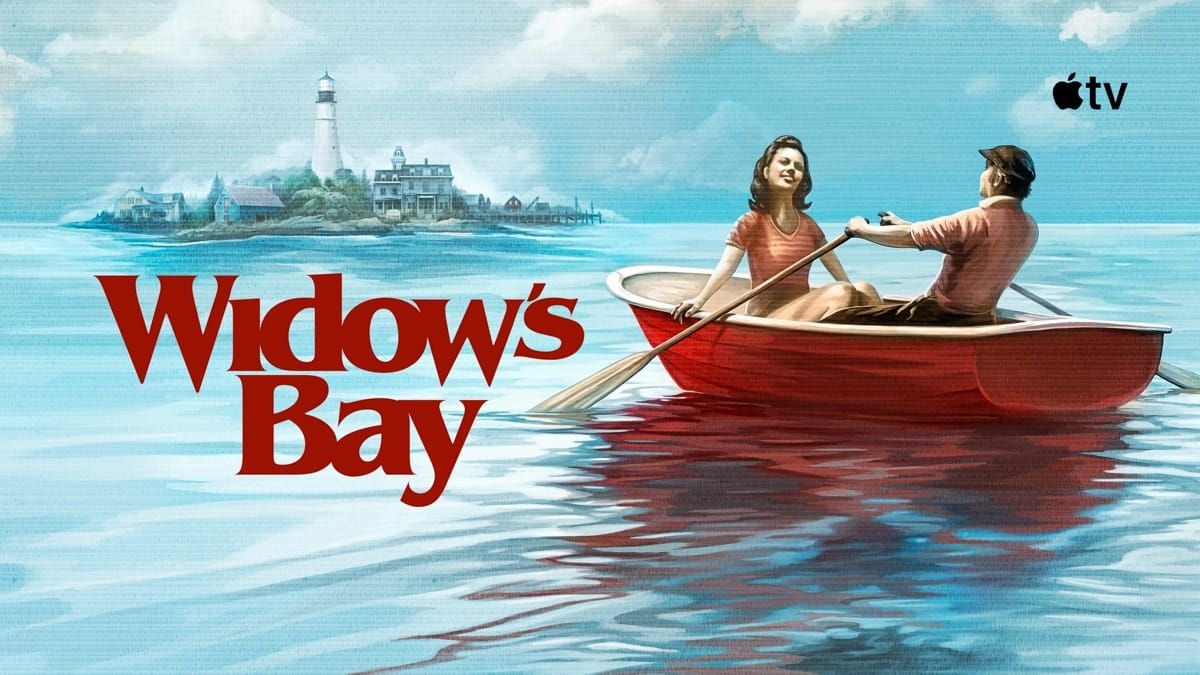
Widow's Bay is a masterclass in writing unlikable characters.
What I find thrilling about the show isn't the horror. It's not jump scares or riding out moments of dread or danger. I'm hooked because it's an expertly crafted satire about an immensely unlikable man having to deal with the consequences of his own actions.
When we first meet the mayor, Tom Loftis, it looks like this show is going to be the horror equivalent of Parks and Recreation, with Loftis as a stand-in for Leslie Knope. He wants to improve the island's crumbling infrastructure and usher in advances like wi-fi and working cell reception. He's working with city small businesses to prepare for an influx of tourists and has been hustling for years to get someone from the New York Times to visit the island to write a story.
We, the viewers, are cued to like him through the direction of the scenes he's in, the musical score, the outlandish situations he's thrust into, the way he keeps on going even when it's apparent he's exhausted, anxiety-ridden, socially awkward.
This is a prestige horror comedy and he's a well-off white guy striving to make his small town better even though he's in over his head! Of course we'll like him!
Except, as we follow along behind him, our sympathy for him and his lot in life are undermined at ever turn by his actions and the way the people around him react to him. Unlike Knope, Loftis doesn't listen to his constituents. He knows his community in only the most shallow sense, and he doesn't consider himself a member of it. He's white knighted himself into a role he's not up for. My girlfriend calls him Widow's Bay's Michael Scott.
It's a little more complicated than that, but I fully believe that Tom Loftis is a cautionary tale, not aspirational, as evidenced by how he's presented by the show.
It is clear by how the locals treat him that he is not a beloved mayor, and the feeling is mutual. In the pilot, the sheriff asks him why he became mayor when he hates everyone on the island. It's clear by the end of the episode that no one respects him, not his kid, not his employees, not his constituents.
He's the kind of leftist white guy who knows how to go through the motions to cast himself as a progressive savior. He throws around words like misogyny in regards to others' stories and behavior, he has clearly been scouring state and federal policy for funding to improve the island, he is definitely above all the superstitions and tall tales his neighbors live by. And yet, by episode two, he snaps after the local crank Wyck gives him a little heated pushback, calling him an ignorant hick.
This makes Loftis the anti-Knope. Leslie Knope comes off as naive and over-earnest, but she's won the respect of the professionals around her, who go out of their way to support her. She has battles with some of the locals, but her opponents always have their own motives for the initiatives they want to push on the town. She puts in hours of overtime to make her dreams for Pawnee come to fruition. One of the contentious points the people of Widow's Bay bring up over and over again is that it's their hard work as local business owners that has made their town into a tourist attraction, in buying a new rig to make cappuccino at the local coffee shop or renovating the local inn. They've paid the real cost so far of bringing Loftis's dreams to life.
When Loftis blows up at Wyck, he immediately apologizes, but it's clear he does so because this exchange happened in a crowd of locals, he backtracks because there were witnesses to his bad behavior. And it's this exchange that leads to the mayor's first real consequence, a night spent in an inn so haunted that he's given a bucket list of specters and ghostly phenomena to seek out. Every time he faces the supernatural in his town, it's because of something he did or refused to do.
The only person who praises the work he's done as mayor is even worse than Loftis and goes into a drunken diatribe about the locals that makes even Loftis take pause. At least now everyone can try cappuccino (though it's made clear that no one is ordering it despite the trouble it took to buy the machine and learn how to use it).
Widow's Bay is shot like a drama with Loftis as the hero and the comedic lines and actions underplayed. If you're not paying attention, you might miss some of the important details, like in episode three when we learn perhaps the most damning evidence against him from a television playing in the historical society: Widow's Bay has a very different job description for mayor than the one he's fulfilling. Much like our modern politicians, Loftis is not up for the reality in which he lives.
As the series progresses, it becomes more and more clear that Loftis knows more about the island than he's letting on, that his skepticism is a mixture of denial, cowardice, and superiority. While it's also clear some of this is from his own unresolved traumas, as his lies and actions catch up to us, it becomes more and more clear how wretched and controlling he is.
What keeps me riveted are the reveals: there is not a single character in Widow's Bay that I would consider truly likable. Wyck is volatile and abusive; Rosemary spreads gossip like wildfire; Loftis's kid is growing up to be just as much of an entitled prick, completely divorced from the consequences of his actions, as his dad. Patty has a whole episode that complicates her history as a survivor of the island's many horrors. And Dale, well, let's just say that in episode five any hope that I had he was the island's lone nice guy was called into question.
It's one thing to write a sympathetic antihero, or to write characters with complicated backstories. It is quite another to write characters that people want to watch as evidence of their sins bubble up around them, when it's clear they're at best just starting the work to repair the damage they've done in the world.
Yet Widow's Bay does it, in a way that doesn't speak down to the viewer or make its message too simplistic or repetitive. They found a way to make me cheer for Tom Loftis, to hope he comes out on top, not for himself but because he has a couple thousand lives depending on him. Not for who he is but who we need him to be. I hope he can find a way to do the work he needs to to step up as mayor, not the mayor we meet at the beginning of the show, who wants to lure more souls to feed the island whether intentionally or not, but the mayor the island needs, one willing to stand up and protect them.